








Contracts for Difference (CFDs) are one of the most versatile financial instruments available to modern traders. Statistical data from trading activity highlights a growing preference for cfd trading because they allow speculation on price movements without requiring ownership of the underlying asset. This flexibility attracts investors who want to engage with multiple markets—such as forex, commodities, and indices—from a single platform, optimizing both time and capital.
CFDs track the price changes of assets and enable traders to profit from both upward and downward market movements. By entering a contract to exchange the difference in price from entry to exit, traders gain exposure without the complexity of direct asset management. This approach aligns with data-driven trading strategies and modern market behavior.
How Do CFDs Enable Access to Forex Markets?
Forex is the most liquid and actively traded market globally, accounting for trillions of dollars in daily volume. Statistical analysis of trading trends shows that forex CFDs are popular because they allow traders to speculate on currency pairs with leverage.
Leverage magnifies potential gains and losses, enabling traders to control larger positions with a fraction of the capital. Market data demonstrates that experienced traders often use CFD leverage to optimize portfolio exposure while maintaining flexibility. Moreover, forex CFDs provide opportunities to profit in both rising and falling markets, making them appealing for short-term and swing trading strategies alike.
Why Trade Commodities Through CFDs?
Commodity CFDs open doors to markets like gold, oil, natural gas, and agricultural products. Historical trading data shows that commodities are influenced by supply-demand dynamics, geopolitical events, and macroeconomic trends, making them ideal for speculation based on measurable market signals.
CFDs offer traders the ability to take positions without physically purchasing the commodity, which reduces storage and transaction costs. Analytical reports reveal that commodity CFDs are particularly valuable for portfolio diversification, as they often behave differently from equities and forex, reducing overall risk exposure.
What Opportunities Do Indices CFDs Provide?
Indices represent aggregated performance of selected groups of stocks, reflecting broader economic trends. Statistical studies highlight that indices CFDs are popular among traders seeking exposure to entire sectors or economies without trading individual shares.
Trading indices through CFDs allows investors to capitalize on market trends efficiently. For example, if economic indicators suggest growth in a particular region, traders can speculate on corresponding indices to potentially benefit from overall market performance. Indices CFDs also provide a strategic approach for hedging portfolios, as they offer exposure to market-wide movements rather than single stock volatility.
How Do Risk Management Tools Enhance CFD Trading?
Risk management is central to disciplined trading. Statistical insights suggest that traders who consistently implement stop-loss, take-profit, and margin monitoring strategies experience more stable results over time.
CFD trading platforms provide these tools, allowing traders to define maximum potential losses and expected gains before entering positions. By quantifying risk in advance, traders reduce emotional decision-making, which is often a leading factor in inconsistent outcomes. Risk controls also make leveraged trading safer, ensuring that capital is protected while allowing strategic exposure across forex, commodities, and indices.
Is CFD Trading Suitable for Data-Driven Traders?
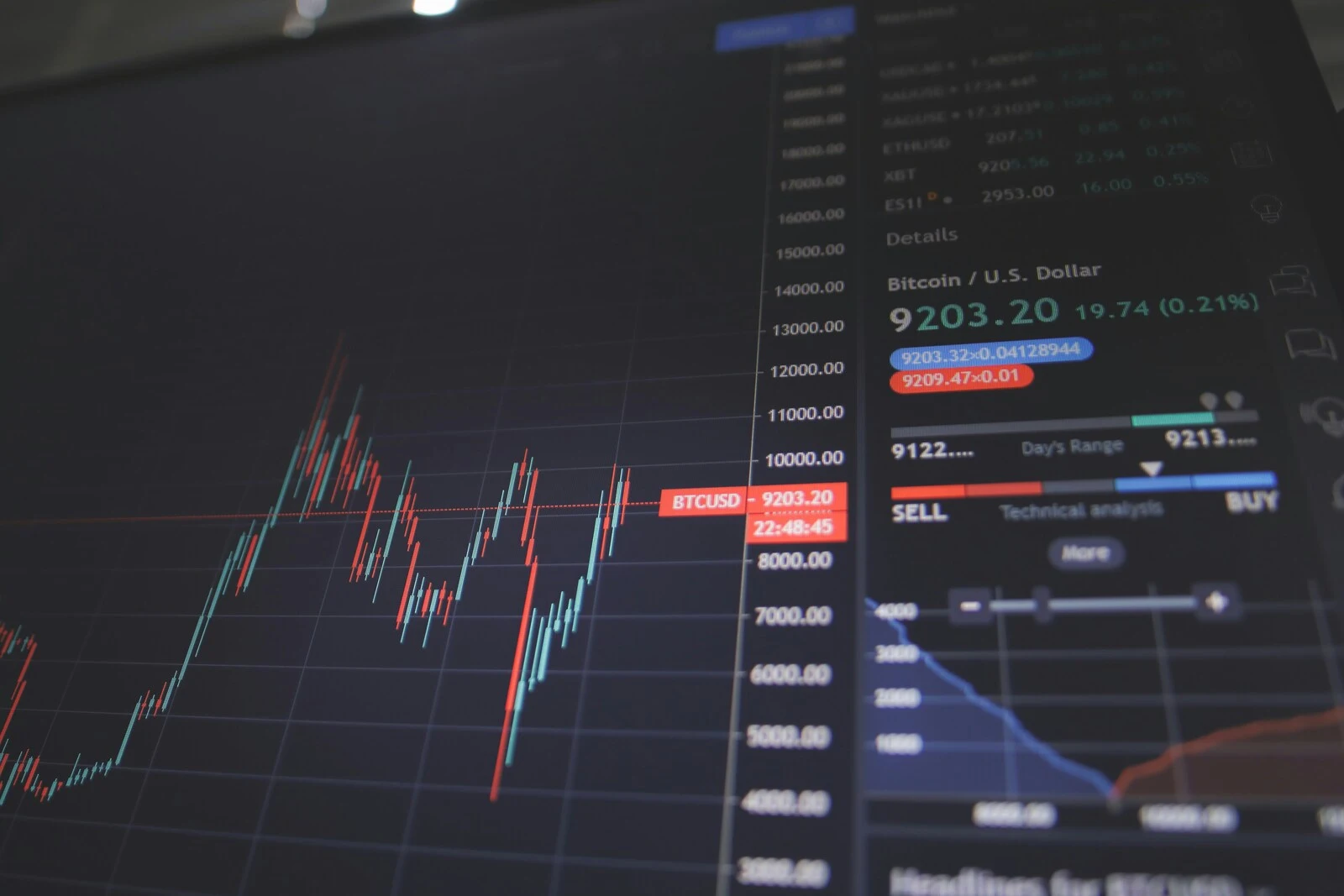
Modern trading increasingly relies on data analytics, charts, and measurable indicators. CFD trading caters to this approach by providing real-time pricing, technical analysis tools, and historical data for all asset classes.
Market research shows that traders who incorporate statistical analysis into their strategies are more likely to maintain consistent performance. CFDs offer the ability to diversify across asset classes while relying on objective market information rather than speculation alone.
Why Choose CFDs for Multi-Market Trading?
The versatility of CFDs makes them a compelling option for traders seeking efficient market access. By combining forex, commodities, and indices in a single trading environment, investors can diversify exposure, respond to market volatility, and implement data-driven strategies effectively.
CFD trading allows modern investors to manage portfolios with precision, flexibility, and measurable insights. Whether for short-term opportunities or long-term positioning, CFDs offer a structured way to participate in multiple markets while maintaining a focus on risk, analysis, and strategic planning.